

How to Properly Use a Filter Coffee Machine
A filter coffee maker is a fantastic option to make fresh, delicious coffee at home. But, it is crucial to follow the right instructions for optimal taste and brewing efficiency.
These guidelines will assist you in making your best cup of filter coffee every time! Start by making sure that the water tank has been cleaned and is full of clean, cold water.
How to make a brew
Filter coffee is brewed with gravity, which results in a cup that tastes clean and has full-bodied flavor. It is more time-consuming than pressure-based devices like espresso machines, but the flavor is well worth the wait.
Making sure you have the right ratio of water to coffee is crucial to making an excellent filter coffee. Accurate measurements allow you to make an excellent, smooth coffee every time. Using a digital scale is the most precise method of measuring coffee grounds, however if you don't have one, you can use a conventional kitchen scale or a set of measuring spoons. Making a few experiments with different ratios of water to coffee will help you determine your ideal blend.
The type of beans you choose will also determine the quality of your filter coffee. Selecting high-quality beans will ensure that your coffee has rich, robust taste. You can also try different grinding styles to find the one that suits your preferences. If you're not sure of what to look for, inquire with your local coffee shop or online retailer about their top brands.
Before you begin brewing your coffee, you should preheat the kettle, then remove it from the stove once the water has reached a boil. This will help prevent the scalding of your coffee. It will also help the water to come to an even brew, and also reduce the acidity in your coffee.
Pour the water in a circular manner over the coffee grounds once it is ready. This technique allows you to evenly coat the grounds. Let the coffee bloom between 30 and 45 seconds. The bloom is caused by the release of carbon dioxide gas from coffee beans that have been roasting. This allows the ground to expand and break up any coffee clumps that might prevent even extraction.
Continue pouring in a circular manner after the coffee has brewed. This technique prevents channeling, which is the formation of coffee grounds rising into the sides of the filter. It also prevents the coffee from being over-extracted, which can lead to a bitter or sour flavor.
You can also add salt to the brew to enhance its flavor and aroma. It's important to keep the temperature of the water between 88degC and 92degC. (190degF - 198degF).
Preparing the coffee grounds
The brewing process of filter coffee is a delicate act that requires care and attention to detail. The amount of grounds and water used significantly affects the taste of your coffee This is why it is essential to measure them properly. The standard is one heaping teaspoon of ground per six fluid ounces water. However, experimenting will result in more or less flavor. Also, the type of grind you choose will also affect the result. Finely ground beans will be extracted more evenly, whereas coarsely ground beans can result in bitterness that is not pleasant.
Begin by lining the filter with the paper or reusable filter of your choice. It is crucial to soak the filter thoroughly to eliminate any taste of paper. Then, heat your brewing device. Once the filter is ready, add your measured coffee grounds and divide equally to ensure uniform extraction. Add the hot water after you have determined the amount. While most machines employ a single on/off switch however, some models with higher-end features offer various sophisticated settings that allow you to adjust the brewing process according to your preferences.
After putting the grounds in and letting it take 3 to 4 minutes. Then, take the grounds out and take a sip of filter coffee!
Another popular method for making filter coffee is the pour-over technique. It involves placing a cup of coffee into a cone or another brewing device, and then pouring hot water in a steady spiral motion. coffee filter machine Coffeee lets you regulate the temperature of the water as well as the brewing time. This method is not for beginners because it requires patience and practice to master.
Once your grounds are in the filter, heat the water until it is between 195 and 205 degrees Fahrenheit. This is the ideal temperature for filter coffee to be at its peak. Then slowly pour the hot water over the grounds, making sure to saturate them evenly. After about one minute the coffee will begin to drip into your carafe or cup.
Filling up the water tank
It is crucial to ensure that your filter coffee machine's water tank filled with clean, fresh filtered water. This will reduce the buildup of scale inside the machine as well as improve the flavor of your coffee. Be sure to use the correct amount of water to make your desired number of cups. The measurements are available on the side of the machine, or on a special marker that is placed on the water tank.
Unlike espresso machines, filter coffee makers typically brew at a lower temperature and for a longer time. This method of extraction slows down, resulting in a more balanced flavor profile with a softer mouthfeel. In addition to the brewing process itself, most filter coffee makers have an option to keep warm (such as hot plates or a thermal jug). Some models come with a glass carafe or reusable filter basket as well as digital display.
Place the beans in a container that's airtight and free of moisture to keep them from losing their flavor or essential oils. You can roast the beans yourself to ensure that they're fresh when you make your coffee. Once you have your beans ready to brew, fill the filter coffee maker with the proper amount of water, and then add the grounds to the basket.
The water moves through the grounds of coffee in a circular direction that saturates them evenly and taking the oil essence out of the grounds on their way to the pot. The coffee bean oil, also known as caffeol, is released during the brewing process and is responsible for the distinctive aroma and flavor of filter coffee.
The majority of manufacturers recommend descale your machine frequently to maintain optimal brewing. Refer to your user's manual for more detailed instructions on how to descale your machine. Most of the time, the descale procedure involves filling the water reservoir with a mixture of water and descaling agents and running it through a cycle. Make sure to wash the machine thoroughly following. Follow these simple tips to enjoy a better cup of filter-coffee each day.
Making the coffee
The most popular filter coffee machine comes with the reservoir where you pour water to begin the brewing process. A tube runs from the base of the reservoir to the drip area, carrying water into the brew cycle as it heats up. There's also a showerhead within the brew basket, which evenly distributes the hot water over the grounds, helping to extract more of the flavors and oils from the beans.
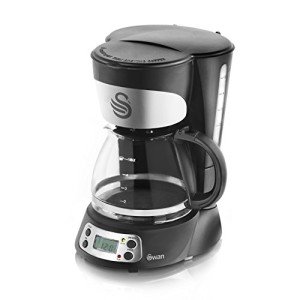
Next, place a paper or reusable filter in the basket and add your coffee grounds. It is essential to choose a filter that is appropriate for the size of your machine. A filter that is too small could result in excessive extraction, while a filter that's too big can cause a inconsistent brew. You'll want to choose the filter that's recyclable and reusable to minimize the amount of waste.
The water is gathered in a carafe or another container, beneath the basket when the brewing cycle is complete. Some coffee makers have a timer that will automatically stop the brewing process when it is finished. Some have a button that can be pressed to manually stop the brew. Once the brew has finished you can remove the filter and enjoy your delicious cup.
Filter coffee machines is a great way to get a delicious cup of joe without the need to go out for a drink. Make sure you adhere to the correct procedure and take into consideration factors like grind size, water temperature, and brew time to get the best results. Proper maintenance is also essential to ensure optimal performance and longevity of your coffee maker. Regular cleaning and the removal of mineral deposits will extend its lifespan. To keep the aroma and flavor of your coffee beans, ensure that they are stored properly. Place them in a airtight container, away from heat, sunlight, and moisture.